

A Changing World: The Importance of Human-Centered Design
You can read our article in which we examine the concept of “human-centered design,” widely adopted in today’s age of innovation, along with its stages. “Human-centered design,” or “insan odaklı tasarım” in Turkish, stands out as one of the most significant design approaches of our time. Closely related to “design thinking,” the concept of human-centered design supports the creation of design-driven solutions. In the age of innovation we live in, creativity and design permeate every aspect of our lives. The rapid pace of technological development makes concepts such as R&D and multidimensional thinking inevitable. For companies shaping the world and developing smart technologies, the human-centered design model is being increasingly adopted. So, what exactly is human-centered design, which has become increasingly widespread in recent years, and what does it aim to achieve? In this article, we explore this concept that places people at the center of design.
What Is Human-Centered Design?
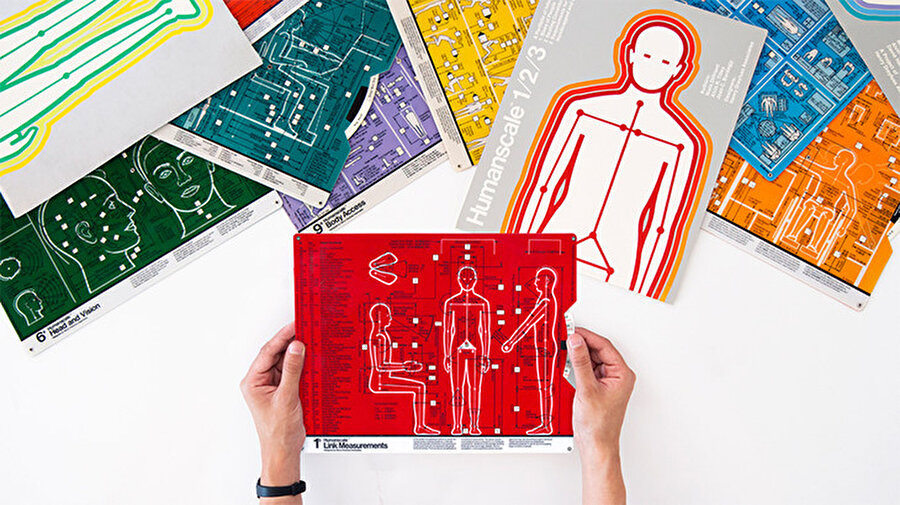
Human-centered design is a design process in which the needs of end users are prioritized during the development of any product or service. Evolving from design thinking, this approach has been adopted by globally renowned companies through the influence of designer, educator, and entrepreneur David Kelley. Gaining prominence after the 2000s, this model offers a new perspective and serves as a valuable tool in the transition from a consumption-based society to a production-oriented one.

Where Is Human-Centered Design Used?
Human-centered design primarily aims to foster innovation and meet human needs. The model is applied across a wide range of fields.
Product Design
However, the primary goal of human-centered product design is to identify real user needs and develop user-focused products that simplify life and solve problems.
Spatial Design
Physical spaces have a guiding influence on how people behave and move. The human-centered approach redesigns spaces to encourage new behavioral patterns in places such as public transport systems, hospitals, and banks.
System Design
To design a human-centered system, it is necessary to establish a balance among individuals with complex emotions and diverse perspectives. For example, when designing an innovative education system using a human-centered approach, the needs, expectations, desires, and ways of thinking of students, families, teachers, and schools must all be incorporated into the design process. What Are the Stages of Human-Centered Design? The design thinking methodology consists of a five-stage process. Each stage evolves through an exchange between abstract concepts and practical, real-world ideas.
1. Discover
The aim of this stage is to correctly identify the problem and ask the right questions in order to develop realistic, necessary, and innovative solutions as part of social innovation.
2. Research
The goal of this stage is to gather relevant findings and clearly define the problem to be addressed.
3. Develop
The development stage provides an opportunity to generate solutions to the identified problem through design tools.
4. Adapt
By testing the prototypes developed at this stage, you can arrive at the final solution.
5. Implement
In the implementation stage, developed designs are integrated into real-life contexts and implementation plans are created.